Celebration of Life vs Funeral: What’s the Difference?
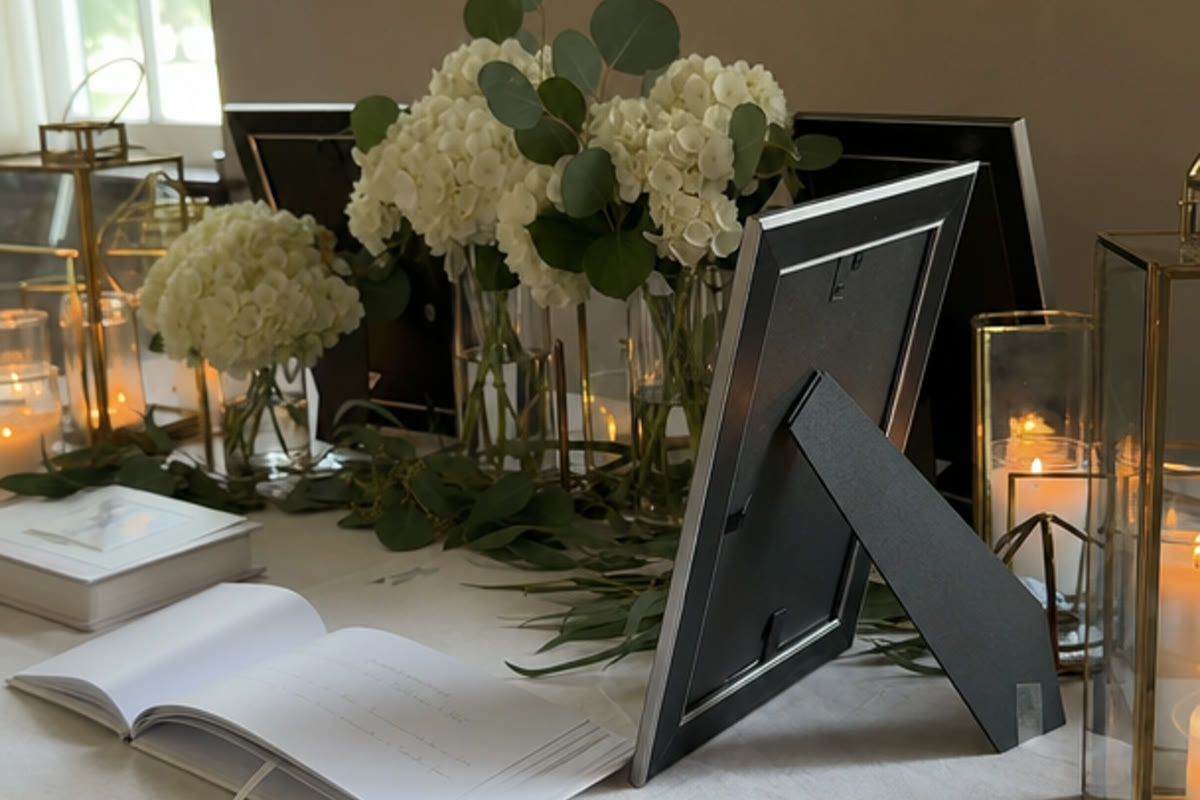
A funeral is usually a more traditional service held soon after a death, while a celebration of life is typically more personal, flexible, and centered on memories. The two can overlap: either may include readings, music, a eulogy, burial or cremation, and a gathering for people who loved the person.
There is no morally “right” choice. The best service is the one that fits the family, the person's wishes, the faith or culture involved, and what loved ones can realistically arrange.
What is the difference between a celebration of life and a funeral?
The clearest difference is emphasis. A funeral often follows a familiar religious or cultural structure and may take place within days of the death. A celebration of life usually gives the family more freedom to choose the setting, timing, and tone. It may feel less formal, but it is not less meaningful.
- Timing: funerals commonly happen soon after death; celebrations can happen days, weeks, or months later.
- Tone: funerals may be solemn and structured; celebrations often make room for stories, favorite food, and music.
- Body present: a funeral may include a viewing or the body; a celebration often happens after burial or cremation, though not always.
- Tradition: funerals may follow a faith's rites; celebrations can follow tradition too, or be secular.
Is a celebration of life the same as a memorial service?
Not quite. A memorial service is a broad term for a gathering held without the body present. A celebration of life is one kind of memorial service, usually designed around the person's character, relationships, stories, and pleasures.
The labels are not rules. A family might call a formal church service a celebration of life, or hold a relaxed backyard gathering and call it a memorial. Ask what the family means rather than correcting the name.
Planning the gathering now?
The Celebration of Life Planning Kit turns the decisions into small steps, with program templates, a eulogy planner, and practical trackers.
See the planning kit on EtsyHow do you choose between a funeral and a celebration of life?
Start with four questions:
- Did the person leave instructions, a pre-paid plan, or a faith-based wish?
- Does the family need a service quickly, or would more time make the gathering gentler?
- Would a traditional rite comfort the people attending?
- What can the family afford and manage while grieving?
You do not have to choose between meaning and practicality. A short funeral followed by a later celebration of life is possible. So is a private burial with a public gathering afterward.
What happens at a funeral?
A funeral may include a welcome, prayers or readings, music, a eulogy, a viewing, and a committal or graveside service. The exact order depends on religion, culture, and the funeral home's arrangements.
See our funeral planning checklist for the first calls, service steps, documents, and death certificates.
What happens at a celebration of life?
A celebration of life often includes a welcome, personal stories, photographs, music the person loved, a reading or poem, and time for guests to talk. It might take place at home, in a community room, outdoors, or somewhere connected to the person's life.
There is no need to force cheerfulness. A celebration can hold tears, silence, humor, and gratitude in the same room.
What do you wear to a celebration of life versus a funeral?
Funerals often call for darker, conservative clothing, while celebrations of life may be more relaxed or personal. Read the invitation first. When it is silent, choose neat, comfortable, respectful clothing and ask the organizer when you genuinely cannot tell.
Can a celebration of life include a burial?
Yes. It can come before a burial, after a burial, or weeks later as a separate gathering. Some families choose a private committal and invite a wider circle to the celebration. Others combine everything in one day.
What should you say to the family?
You do not need to praise the format or find the perfect lesson. Say the person's name, share one true memory, and offer practical help. “I keep thinking about how Elena made everyone feel welcome. I’m so sorry. I can bring food on Thursday” is more useful than a polished speech.
For more word-for-word help, see what to say when someone dies and our short sympathy messages for cards.
Free: words for the hard days
When Words Fail is a free 9-page guide with sympathy messages, phrases to avoid, and ways to keep showing up after the service.
Get the free guideQuick answers: celebration of life vs funeral
What is the difference between a celebration of life and a funeral?
A funeral is often a traditional service held soon after death, sometimes with the body present. A celebration of life is usually more personal and flexible, focusing on the person's story and possibly happening later. The terms overlap.
Is a celebration of life the same as a memorial service?
Not exactly. A memorial service is any gathering held without the body present. A celebration of life is a type of memorial service with a personal focus on the person's life, relationships, and memories.
What do you wear to a celebration of life versus a funeral?
Funerals often call for darker, conservative clothing. Celebrations of life may allow lighter or more personal clothing, but the invitation and family's wishes matter most. When unsure, ask the host.
Can a celebration of life include a burial?
Yes. It can happen before or after burial or cremation, or as a separate gathering. There is no required order.